
Need help
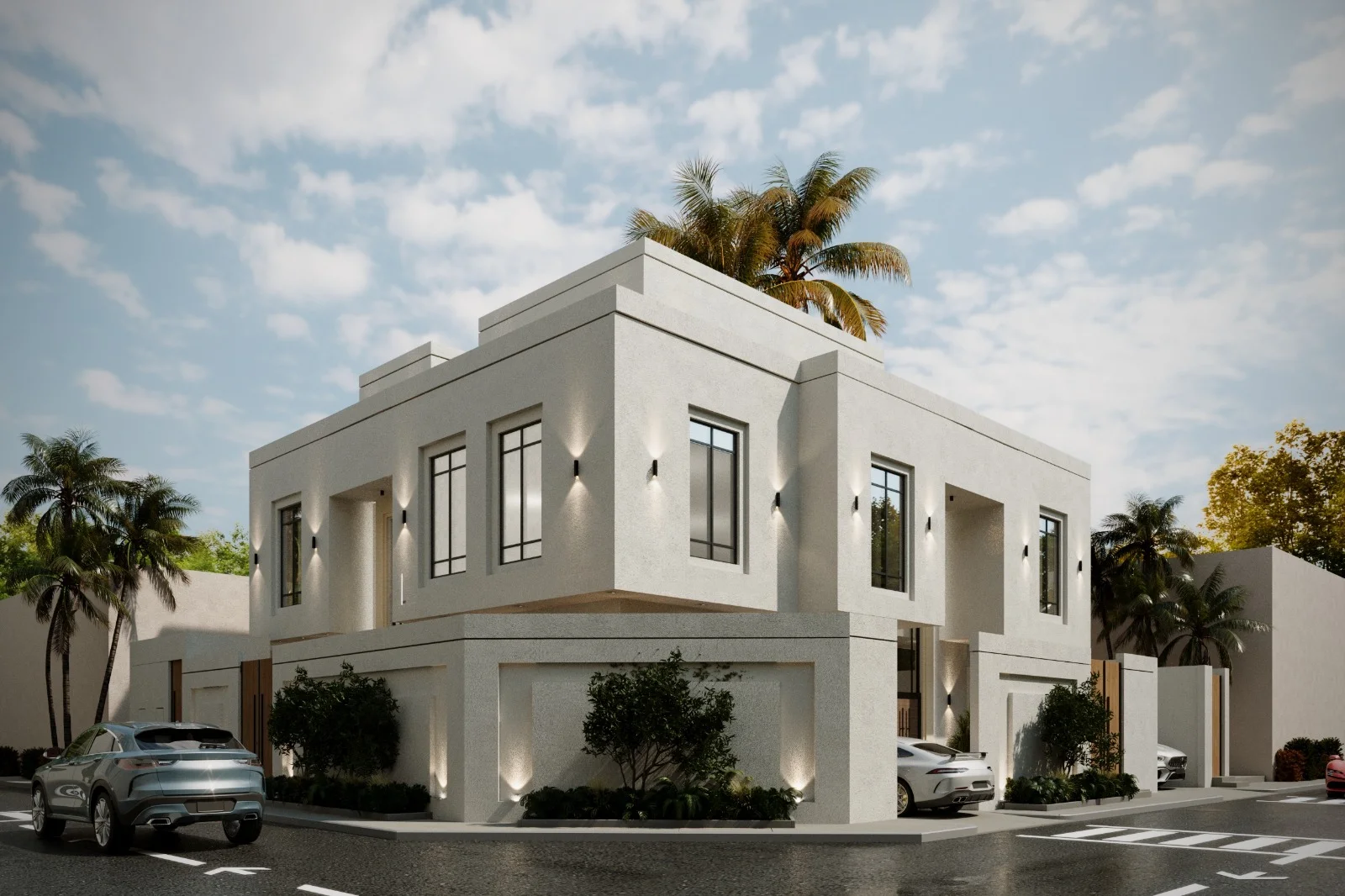
Discover how climate-based architectural design reduces energy consumption and enhances comfort through smart engineering solutions.
In modern architecture, aesthetics alone are no longer enough. Adapting to the environment and climate has become a key factor in project success. Climate-based design is one of the most important trends in engineering consultancy, aiming to maximize indoor comfort while minimizing energy consumption.
One of the main goals of modern architecture is reducing energy consumption, especially with rising operational costs. Climate-based design minimizes reliance on HVAC systems by achieving natural thermal balance.
For example, shading, limiting sun-exposed openings, and using insulating materials can significantly reduce indoor temperatures.
This not only lowers electricity bills but also contributes to environmental sustainability by reducing the project’s carbon footprint.
Building materials play a crucial role in controlling indoor temperature. Insulating materials reduce heat transfer, while others help retain heat.
In hot regions, reflective materials are used, while in colder areas, heat-retaining materials are preferred.
Choosing the right materials reduces the need for HVAC systems and lowers long-term costs.
Natural ventilation is a key component of climate-based design, improving air quality and reducing indoor temperatures.
Proper placement of openings allows continuous airflow, creating a healthy and comfortable environment.
This reduces reliance on air conditioning and enhances overall building efficiency.
In conclusion, climate-based design is no longer optional—it is essential in today’s environmental and economic landscape.
It ensures better comfort, lower costs, and environmental sustainability.
Working with a consulting engineer or engineering consultancy is the first step toward a successful and sustainable project.


